Unlocking the Power of QR Codes for Your Business
Explore how QR codes can enhance customer engagement and drive sales.
What Are QR Codes?
Definition and Purpose
QR codes, or Quick Response codes, are two-dimensional barcodes that can be scanned using a smartphone camera. They store information that can be quickly accessed, making them ideal for various applications in marketing and customer engagement. Their versatility allows businesses to direct customers to websites, videos, or special promotions with a simple scan.
The primary appeal of QR codes lies in their ability to bridge the gap between offline and online experiences. By integrating QR codes into physical marketing materials, businesses can enhance customer interaction and provide instant access to valuable information.
Types of QR Codes
There are several types of QR codes, including static and dynamic QR codes. Static QR codes contain fixed information that cannot be changed once generated. In contrast, dynamic QR codes allow users to edit the information linked to the code even after its creation. This flexibility makes dynamic QR codes particularly useful for ongoing campaigns.
Benefits of Using QR Codes in Marketing
Enhanced Customer Engagement
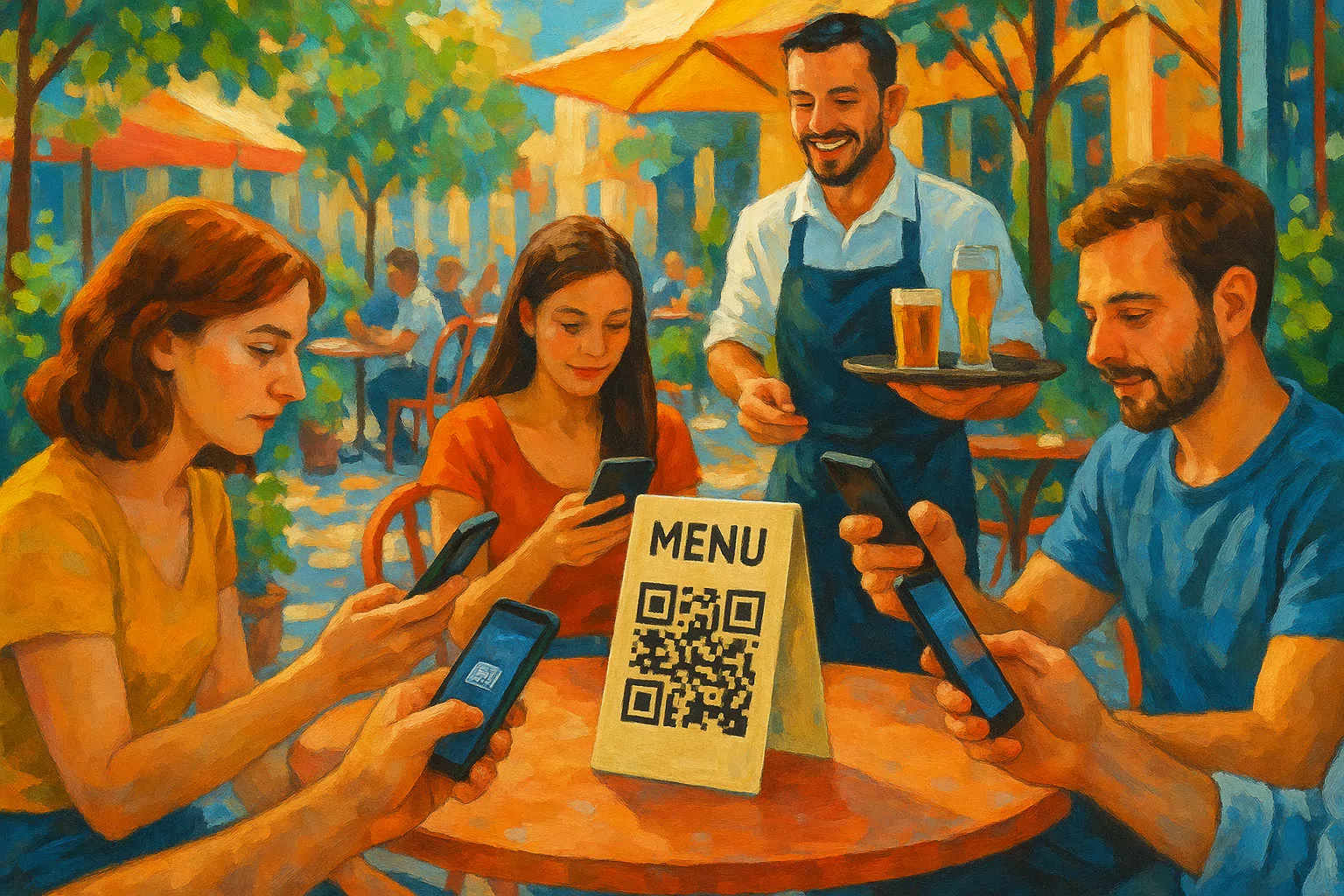
Integrating QR codes into marketing strategies can significantly boost customer engagement. By offering customers easy access to exclusive content, businesses can increase interaction rates. For instance, a restaurant might use QR codes on tables to provide menus or promote special offers.
This instant access not only improves the customer experience but also encourages repeat visits as customers appreciate the convenience. Furthermore, businesses can track how often QR codes are scanned, providing insight into customer preferences and behaviors.
Cost-Effective Advertising
QR codes are an economical solution for businesses looking to enhance their advertising efforts. Unlike traditional print ads that may require significant investment, QR codes can be added to any printed material at minimal cost. They can direct customers to websites or social media pages without needing extensive print space.
How to Create and Implement QR Codes
Using QR Code Generators
Creating QR codes is a straightforward process thanks to numerous online QR code generators. These tools allow you to customize the design and functionality of your QR code, such as adding logos or changing colors to match your brand identity. Most generators are user-friendly and require only a few steps to produce a scannable code.
After generating the QR code, it's crucial to test it to ensure it directs users to the intended destination. This step is vital to avoid any customer frustration or confusion during their experience.
Effective Implementation Strategies
Once your QR code is ready, consider where it will be placed for maximum visibility. High-traffic areas, such as storefronts, product packaging, or promotional materials, are ideal locations. To maximize effectiveness, provide a clear call to action that encourages customers to scan the code.
Frequently Asked Questions
Can QR Codes Be Used for Payment?
Yes, QR codes can facilitate payment transactions. Many businesses use QR codes to enable customers to make payments directly through their mobile devices. This method is especially popular in restaurants and retail environments, where customers can scan a code to complete their purchase quickly.
Are QR Codes Safe to Use?
When used correctly, QR codes are generally safe. However, users should remain cautious of scanning codes from untrusted sources, as malicious QR codes can lead to phishing sites or harmful downloads. Educating customers on how to identify legitimate QR codes can help mitigate risks.