Reputation Management Services for Businesses in [City/Region]
Protect your brand, grow reviews, and outrank competitors with local-first strategies built for SMBs and enterprises in [City/Region].
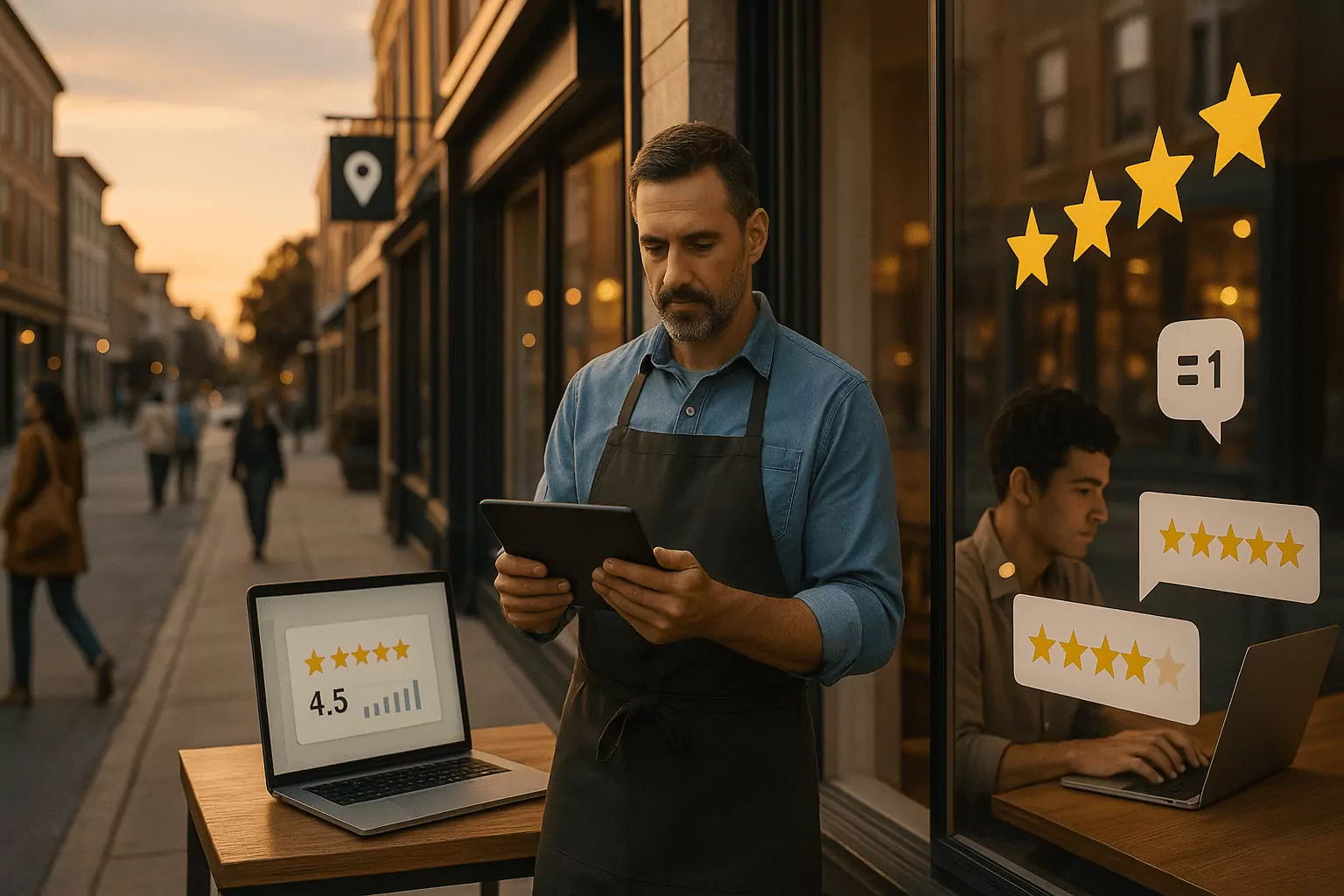
How Reputation Shapes Buyer Decisions in [City/Region]
Why reputation management services for businesses in [City/Region] beat DIY
Reputation management services for businesses in [City/Region] deliver disciplined systems that DIY efforts rarely match. Local buyers judge credibility in seconds, and consistent review volume, rating trends, and timely responses all shape those split-second decisions. A professional partner brings local business reputation management playbooks, technology, and staffing that keep quality high every day. This structure reduces missed opportunities, prevents slow replies, and standardizes tone across platforms. The result is fewer leaks in your funnel and more qualified demand from nearby customers.
In-house attempts often stall because ownership bounces between marketing, operations, and front-line teams. Specialists running online review management services handle the repetitive work, freeing staff to focus on service delivery. They also provide brand monitoring for companies, surfacing issues before they escalate publicly. With clear SLAs and cadence, leadership gains visibility, while managers gain actionable next steps. That operational clarity is why professional programs outperform occasional one-off fixes.
Reviews Drive Revenue Across Search, Social, and Maps
High-impact purchase journeys in [City/Region] start on Google Maps, niche directories, and social feeds. Star ratings and recent comments boost click-through rates, which in turn drive calls, form fills, and store visits. Well-run online review management services ensure steady review growth and balanced sentiment week after week. That cadence strengthens local SEO signals, helping profiles rank for high-intent queries. When your listings surface first with strong social proof, qualified traffic follows.
Prospective buyers also scan the recency of feedback to assess reliability. A month without new reviews can imply operational stagnation, even when service is excellent. Consistent prompts and frictionless capture keep the pipeline full, which fuels reputation marketing for small businesses and larger brands alike. Response quality matters too, because thoughtful replies demonstrate accountability and care. Together, volume, velocity, and tone transform passive browsers into confident buyers.
From Risks to Resilience: Your Plan Before a Crisis
Every organization faces moments when a single negative incident can spread quickly. Proactive crisis reputation repair planning sets thresholds, roles, and messaging before tension rises. With brand monitoring for companies running around the clock, potential issues are flagged early across news, forums, and social. Early detection enables private outreach, faster resolution, and measured public statements where needed. This discipline limits visibility of problems while showcasing your commitment to fairness and safety.
Resilience also depends on operational fixes that address root causes, not just optics. Teams should analyze review themes monthly and prioritize changes that remove friction for customers. When service improves, reputation marketing for small businesses becomes easier and more authentic. Over time, positive trends outweigh isolated setbacks, and your narrative aligns with real performance gains. That alignment is the foundation of sustainable, long-term trust in [City/Region].
What Effective Reputation Management Includes
Review Acquisition and Response via Online Review Management Services
Effective programs remove friction from the moment of asking for feedback. Online review management services automate intelligent prompts by channel, timing, and language, boosting completions without feeling pushy. They segment outreach by customer type and journey stage to capture detailed, relevant stories. Response teams then reply with empathy and specifics, reflecting brand standards and local context. That combination elevates ratings while signaling real accountability.
Technology aids scale, but human oversight keeps tone authentic. Playbooks guide when to take conversations offline, when to offer make-goods, and how to close the loop. For local business reputation management, that nuance preserves relationships while preventing policy drift. Consistency across locations also protects franchise and multi-unit operators from brand dilution. Over months, these habits generate durable gains in visibility and conversion.
Always-On Listening: Brand Monitoring for Companies
Visibility beyond review sites is essential because conversations travel. Brand monitoring for companies tracks mentions across news, blogs, forums, and social, mapping sentiment and noticing anomalies. Dashboards centralize signals so teams can spot patterns by product, location, or competitor. When sentiment dips, alerts trigger investigation and coordinated outreach. Swift action often resolves concerns before they become lasting search results.
Monitoring fuels smarter messaging and content choices as well. If customers rave about a specific service attribute, reputation marketing for small businesses can spotlight it in ads and landing pages. Conversely, if a recurring complaint surfaces, operations can fix the root cause and close the feedback loop publicly. Used properly, brand monitoring for companies is both offensive and defensive. It informs strategy while protecting equity you've already earned.
Amplification and Reputation Marketing for Small Businesses
Strong feedback deserves strategic amplification to reach more buyers. Reputation marketing for small businesses curates standout reviews into ad creatives, website sections, and sales collateral. Schema markup helps search engines understand and display ratings on key pages. Social snippets featuring authentic customer quotes outperform generic brand claims. Together, these tactics convert proof into performance.
Amplification should feel native to each channel and audience. Local landing pages can highlight neighborhood-specific praise, while retargeting ads address common objections. Partnering amplification with online review management services keeps the pipeline of proof fresh. The synergy compounds results and lowers acquisition costs across campaigns. Over time, your voice becomes your customers' voice-credible, specific, and persuasive.
Execution, Pricing, and Long-Term ROI
Onboarding and Quick Wins for Local Business Reputation Management
The first 30-60 days focus on alignment and momentum. Teams map current listings, ratings, and feedback channels to establish baselines for local business reputation management. Then, they launch review request flows at key moments-post-purchase, after service completion, or following support tickets. Early wins include correcting NAP data, unifying brand voice, and clearing backlogs of unanswered reviews. These steps send strong signals to both customers and search engines.
Next, capacity planning ensures response coverage during peak hours and weekends. Templates are tuned for industry nuances, ensuring empathy and compliance across scenarios. Local business reputation management also includes training front-line staff to spot and route feedback. As leading indicators improve, teams can forecast rating targets and traffic impacts. Clear milestones keep progress visible and confidence high.
Reporting That Matters: Metrics, Benchmarks, and Cadence
Leadership needs clarity on what moves the needle and why. Core KPIs include review volume, average rating, response time, sentiment by theme, and local pack rankings. Attribution links these to calls, directions, web conversions, and revenue where possible. Regular reports translate data into action, highlighting which levers within online review management services produced gains. This rigor turns insights into predictable outcomes.
Benchmarks compare each location to city, regional, and category peers. When a metric lags, plans detail changes to prompts, messaging, or staffing. Brand monitoring for companies adds context from media and social that may affect demand. Tying metrics to initiatives justifies budget and guides the next sprint. Over time, compounding improvements create durable competitive advantage.
Choosing the Right Partner for reputation management services for businesses in [City/Region]
Vendor fit depends on industry expertise, workflow depth, and platform reach. Ask how they execute crisis reputation repair, handle sensitive escalations, and protect compliance. Review case studies that mirror your footprint and customer profile in [City/Region]. Evaluate whether their team can support both reputation marketing for small businesses and enterprise-scale needs. The right partner should operate as an extension of your brand, not just a tool provider.
Pricing models vary by locations managed, features, and service levels. Transparent proposals map deliverables to KPIs, helping stakeholders weigh cost against forecasted impact. Look for flexibility to ramp channels, add languages, or expand listening sources as you grow. Ensure local business reputation management expertise is present in onboarding, not just sales. With the right collaboration, results arrive faster and sustain longer.
Frequently Asked Questions
How long until I see results from reputation management services for businesses in [City/Region]?
Most organizations see early movement within 30 days as review velocity increases and unanswered feedback is resolved. Noticeable gains in visibility and conversions typically follow within 60-90 days, especially when online review management services run consistently. If listings require heavy cleanup, allow extra time for search engines to process changes. Brands starting from low ratings may need two to three months of steady prompts and responses to reach category benchmarks. Ongoing brand monitoring for companies accelerates progress by catching issues before they slow momentum. Over six months, compounding improvements usually deliver durable ranking, traffic, and revenue lifts.
What's the difference between PR, SEO, and online review management services?
PR focuses on media relationships and storytelling to influence public perception across outlets. SEO optimizes technical and content signals so search engines surface your pages and profiles. Online review management services concentrate on capturing, managing, and responding to customer feedback on listings and vertical sites. Together, these disciplines reinforce each other: better reviews improve rankings, while earned media strengthens authority. Brand monitoring for companies connects the dots by tracking sentiment across all channels. An integrated plan ensures messaging and operations align, turning proof into measurable growth.
Can small teams afford brand monitoring for companies and crisis reputation repair?
Yes-modern platforms and service tiers make enterprise-grade coverage accessible to smaller teams. Starter packages combine essential listening, review requests, and templated responses at manageable costs. Reputation marketing for small businesses then amplifies wins without heavy creative spend. When incidents occur, predefined crisis reputation repair workflows prevent chaos and reduce downtime. Clear scopes, shared dashboards, and predictable SLAs keep budgets in check. The net effect is lower acquisition costs and higher lifetime value that more than offset the investment.