hOW REVIEWS IMPACT SCHEMA: Boost Rich Results and CTR
Actionable guidance for SEOs and marketers on hOW REVIEWS IMPACT SCHEMA, rich snippets, and trustworthy star ratings.
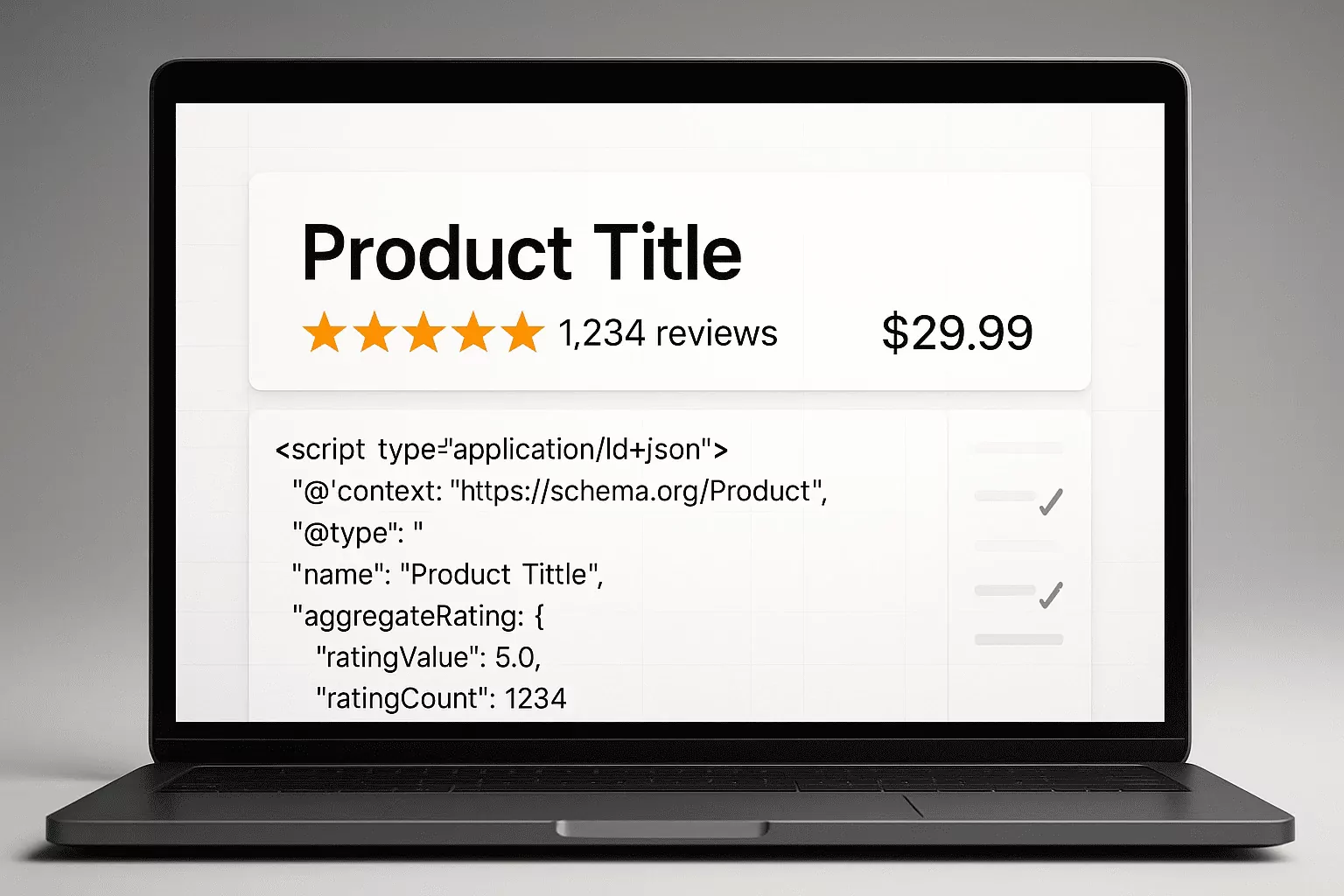
Ratings Data That Shape Rich Results
Where hOW REVIEWS IMPACT SCHEMA the Most in SERPs
Understanding hOW REVIEWS IMPACT SCHEMA starts with how search engines translate ratings into visible enhancements. When configured correctly, review schema markup can surface stars, counts, and summaries that increase credibility at a glance. These enhancements, often called ratings rich snippets, influence click behavior by establishing social proof before the user ever lands on a page. The net effect is a stronger presence in competitive results, especially for products, local businesses, courses, and software. Done poorly, the same signals can be ignored or suppressed, costing you valuable real estate and trust.
Search engines weigh multiple signals to decide when to render star rating schema in results. They look for consistency between structured data reviews and on-page content, plus eligibility under platform policies. They also evaluate freshness and source diversity to reduce the chance of manipulation. For brands with robust user-generated content SEO, these checks are easier to satisfy because reviews flow naturally and frequently. As consistency grows, visibility stabilizes and CTR gains compound.
Star Rating Schema, Aggregates, and Contextual Cues
At the core of review schema markup is the aggregateRating property, which ties individual opinions to a clear average and count. Accurate min and max values, like 1 to 5, help star rating schema render predictably. Context also matters: the rating must describe the exact item shown, whether that's a Product, LocalBusiness, or SoftwareApplication. Mismatched entities confuse parsers and can block ratings rich snippets entirely. Aligning itemReviewed, name, and URL ensures the aggregate reflects the page's primary subject.
Beyond the numbers, descriptive cues like author, datePublished, and reviewBody add authenticity to structured data reviews. When these details match visible text, engines reward the transparency. Including pros and cons in content, then mirroring them in permitted properties, can further clarify value. For complex items with variants, keep the relationship explicit so users see the right score for the right model. Clarity reduces friction and builds confidence before the click.
Review Sources, Freshness, and Ratings Rich Snippets
Volume, recency, and diversity of reviews influence how reliably stars appear and how users react. A steady cadence of recent reviews signals active customer engagement and lowers the risk that outdated issues dominate perception. Pulling in multiple sources while respecting platform rules creates a richer picture and strengthens user-generated content SEO. However, only include reviews you're allowed to publish and mark up; borrowed ratings without rights can trigger loss of eligibility. Balanced sentiment reads as credible, while only-perfect scores raise flags.
Freshness can be operationalized with prompts, post-purchase emails, and on-site nudges that invite feedback. Displaying a timeline of reviews alongside the aggregate makes the numbers feel alive and trustworthy. If your ratings rich snippets fluctuate, check for lags between content updates and structured data updates. Ensure your sitemap and lastmod values reflect recent changes so crawlers reprocess your star rating schema promptly. Consistency across page, markup, and feeds reduces drop-offs in visibility.
Implementation Essentials for Review Schema Markup
Auditing hOW REVIEWS IMPACT SCHEMA on Your Site
Begin with a crawl that inventories every template serving review signals to understand hOW REVIEWS IMPACT SCHEMA across your ecosystem. Validate JSON-LD blocks, detect duplicates, and confirm one primary entity per page. Compare structured data reviews with visible content to catch mismatches in stars, counts, or item names. Use Search Console and testing tools to identify warnings that suppress ratings rich snippets. Map quick fixes, then schedule deeper refactors where templates break best practices.
Establish a source of truth for rating values so numbers stay in sync across PDPs, category pages, and widgets. Build checks that fail deployments if required review schema markup properties are missing. Document which content types are eligible and which are not, based on current platform policies. Where third-party widgets inject markup, ensure they follow your naming and identity rules. Tight governance prevents drift, preserves eligibility, and stabilizes CTR.
Choosing the Right Types and Properties
Pick the schema.org type that best fits user intent and platform rules: Product, LocalBusiness, Course, Recipe, or SoftwareApplication. Each type pairs with distinct properties that strengthen review schema markup, such as brand for Product or servesCuisine for Restaurant. Use offers, price, and availability when applicable to deepen context and support richer interactions post-click. Avoid marking up content that merely lists reviews about other businesses you don't own. Precise modeling helps ratings rich snippets appear predictably.
Populate review and aggregateRating with minRating, maxRating, ratingValue, and ratingCount. Where possible, include reviewRating within individual Review nodes for transparency. Keep star rating schema aligned with your UI by connecting markup to the same data layer that drives the page. If you syndicate, ensure canonical links and itemReviewed references point cleanly to the right entity. Clean, complete data outperforms partial, noisy implementations.
Inlining vs. Hosted JSON-LD and Maintenance
Inline JSON-LD keeps review schema markup close to the content source, reducing drift between UI and data. Hosted JSON-LD centralizes control but can introduce latency or mismatches if caches lag behind updates. Choose based on your deployment model, but enforce a validation gate before publishing changes. When scale is high, scripts that build structured data reviews from API responses keep everything synchronized. Whatever the approach, monitor rendering to catch hydration or SSR issues.
Maintenance is ongoing: rotate keys, update libraries, and re-validate when schema.org or search guidelines evolve. Keep a change log that ties markup releases to CTR and impression shifts. Run periodic spot checks on critical templates and high-traffic pages. If ratings rich snippets drop, correlate with code changes, content edits, or policy updates. Fast root-cause analysis limits revenue impact and protects momentum.
Quality, Authenticity, and Policy Factors That Drive Trust
Eligibility Rules That Govern Review Schema Markup
Platforms restrict where stars can show, and compliance determines whether your star rating schema is even eligible. Self-serving reviews on your organization home page, for example, are typically disallowed. Mark up first-party reviews for entities you own, not for comparison pages or lists of competitors. Ensure that every review shown in markup is visible on the page to users. Hidden or gated reviews can lead to suppression of ratings rich snippets.
Write policies that define which pages get review schema markup and which do not. Train editors and vendors on boundary cases so they don't accidentally jeopardize eligibility. Maintain audit trails for syndicated feedback to prove rights and authenticity. If guidelines change, roll updates quickly and remove non-compliant blocks. Protection of trust outperforms any short-term trickery.
Preventing Spam and Inflated Ratings
Inflated scores erode credibility and can trigger quality filters that hide ratings rich snippets. Use moderation workflows that verify purchase or usage when possible. De-duplicate submissions and screen for patterns like bursts from single IPs or templated language. Transparency around review collection methods, including incentives, reinforces authenticity. Balanced distribution across time and sentiment reads as real to both users and machines.
Automate anomaly detection in your data layer before it reaches review schema markup. Flag sudden spikes, unusual rating averages, or missing required fields. Include clear guidelines for rejecting low-quality reviews without silencing fair criticism. When disputes arise, append publisherResponses to show accountability in content and, where applicable, markup. Honest curation strengthens user-generated content SEO and long-term performance.
Building User-Generated Content SEO That Scales
Sustainable user-generated content SEO depends on frictionless submission flows and thoughtful prompts. Ask targeted questions that elicit specifics about features, benefits, and use cases. Segment prompts by product type so reviews feel helpful, not generic. Surface highlights, like pros and cons, that can be mirrored within allowed structured data reviews. The result is richer context that improves relevance and conversions.
Close the loop with follow-up emails and on-site reminders timed to real usage, not just delivery. Showcase recent, verified reviews prominently on pages eligible for star rating schema. Encourage media uploads and longer narratives that go beyond a simple score. Feed these assets into your content strategy to support SERP snippets and post-click engagement. Depth and authenticity are compounding assets for rankings and CTR.
Measuring Impact and Optimizing Toward Higher CTR
Tracking Metrics From Impressions to Revenue
Tie review schema markup releases to measurable changes in impressions, CTR, and conversions. Segment by template, device, and geography to see where ratings rich snippets move the needle. Track average position alongside CTR to isolate the lift from stars versus rank changes. Monitor assisted conversions to capture influence across the funnel, not only last-click wins. A full-funnel view clarifies where to invest next.
Build dashboards that join Search Console, analytics, and ecommerce data for a clean read. Annotate deploys so teams can correlate schema changes with performance shifts. If star rating schema appears but CTR stalls, test title clarity, price visibility, and value props. When stars vanish, use testing tools and logs to identify parsing or policy issues. Evidence-driven iteration keeps growth steady.
Testing Copy, Stars, and Placement for Ratings Rich Snippets
SEO and CRO should partner to test how stars interact with titles and descriptions. Strong nouns and benefit-led phrases can amplify the effect of structured data reviews. Include price, inventory, or guarantees in visible text where relevant to match user intent. On templated pages, test placement of review widgets to support scannability and reduce bounce. Small layout shifts often unlock disproportionate gains.
A/B test how you summarize sentiment in the first lines of copy. When users see a clear average and count, skepticism drops and clicks rise. Keep review snippets concise, then link to deeper content for those who want details. Ensure mobile layouts surface ratings above the fold for fast assessment. Clear, trustworthy cues translate to more engaged traffic.
Operational Playbook for Continuous Gains
Create a repeatable cadence: audit, prioritize fixes, ship, measure, and document. Assign owners for templates, data feeds, and QA of review schema markup. Standardize JSON-LD helpers so updates roll out quickly and consistently. Keep a backlog of improvements informed by user feedback and SERP observations. Treat stars as a product surface area, not a one-off task.
Share wins and failures so teams understand hOW REVIEWS IMPACT SCHEMA across different page types. Refresh playbooks when guidelines or schema fields evolve to maintain eligibility. Invest in tooling that catches regressions before they hit production. Align with legal and support to manage review rights and responses. Consistency compounds and protects your hard-won ratings rich snippets.
Frequently Asked Questions
Why do my stars disappear even though the markup validates?
Validation confirms structure, but eligibility and trust determine visibility. If stars vanish, check for policy violations such as self-serving reviews on non-eligible pages. Compare on-page text with your structured data reviews to ensure counts and averages match exactly. Evaluate freshness and volume; stale or sparse data can reduce reliability. Consider crawl timing, caching, or rendering issues that hide markup at fetch time. Finally, review recent code changes or CMS edits that may have shifted the primary entity.
Can I mark up third-party reviews I embed on my product pages?
You can mark up reviews you are permitted to publish, provided they are visible on the page and pertain to the exact item. Ensure rights and attribution are clear, and avoid aggregating reviews that refer to different products or businesses. Keep the itemReviewed consistent with the page's primary entity to protect star rating schema eligibility. If you syndicate, mirror the ratingValue and ratingCount accurately or omit aggregation. When in doubt, prioritize clarity and permission to maintain ratings rich snippets over time.
What's the fastest way to improve CTR with review schema?
First, fix mismatches between visible content and review schema markup to restore trust and eligibility. Next, increase recent reviews with ethical prompts to strengthen freshness and social proof. Tighten titles and descriptions so users understand value immediately alongside stars. Test placement and formatting of review widgets to improve scannability, especially on mobile. Monitor changes in Search Console and analytics, and iterate weekly to cement durable gains.